
Oil Producers Bleed as Hormuz Stays Shut
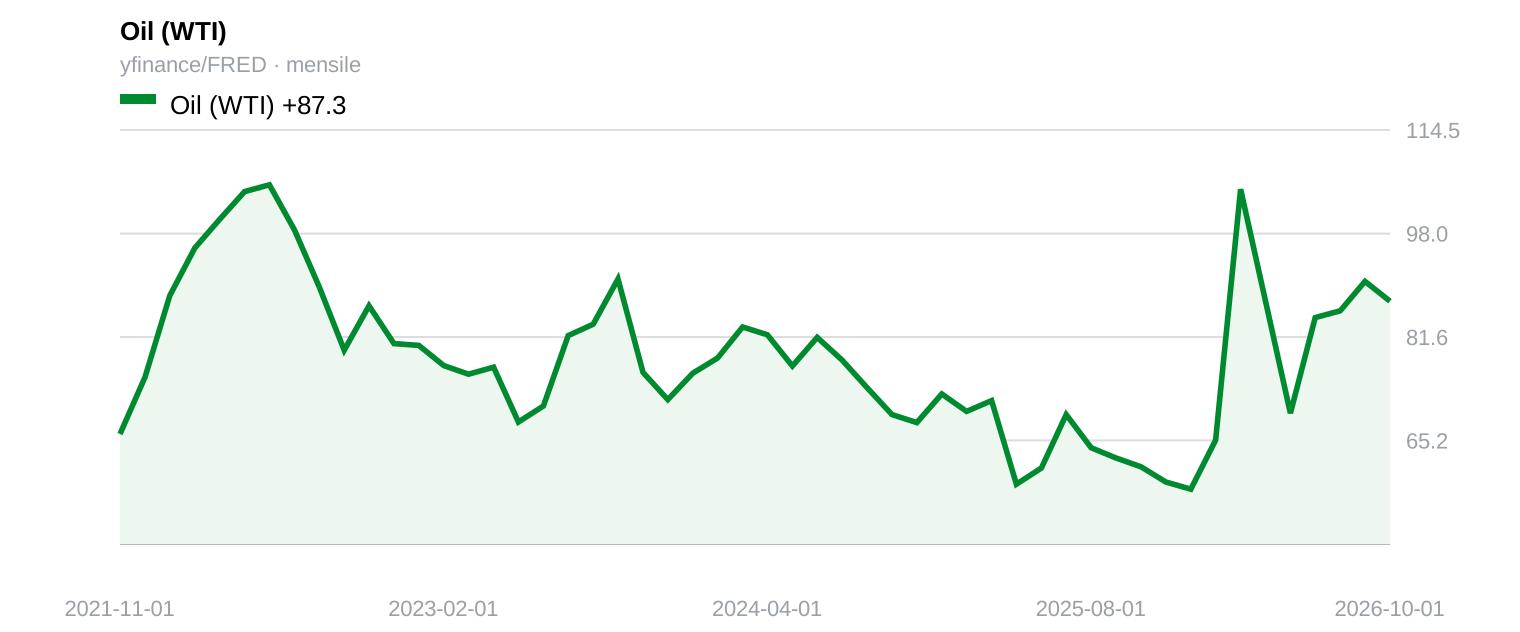
When tankers stop moving through the Strait of Hormuz, everyone assumes the oil exporters get rich. That's how every energy shock since 1973 has worked: prices spike, producers collect the windfall, and importers absorb the pain. The February 2026 conflict broke that pattern. Instead of a transfer of wealth from consumers to producers, the closure trapped crude inside the Gulf, turning the region's greatest asset into inventory nobody could ship.
A World Bank report (2026) documents the inversion. Gulf Cooperation Council economies face an average contraction of 4.3% this year. The report argues that unlike prior supply disruptions, which enriched producers by raising prices on flowing barrels, this blockade imposed the heaviest costs directly on the countries sitting on top of the reserves. Oil in the ground earns nothing if it can't reach a refinery. The export-dependent fiscal models that funded three decades of construction in Dubai, Riyadh, and Doha stopped working overnight.
Meanwhile, the countries that buy oil are doing better than expected. The same document projects growth for regional oil importers will accelerate to 4.3% in 2026, up from 3.9% last year. Lower demand elsewhere and redirected trade flows have cushioned them. You can see the divergence walking through any port outside the blockade zone: ships that used to queue at Jebel Ali are now unloading in Salalah or Karachi, paying local stevedores who weren't earning those wages six months ago. Exporters shrink while importers expand, exposing a structural fragility that decades of sovereign wealth funds were supposed to eliminate but apparently didn't.
Naturally, the consensus has already written the recovery story. If the conflict subsides by year-end, the World Bank projects regional growth excluding Iran will rebound to 7.8% in 2027. Analysts who build spreadsheets for a living love a V-shaped recovery because it makes the math clean. But a forecast that snaps back to trend after a blockade treats the disruption as a pause button rather than a demolition charge.
The authors hint at why the bounce might be fiction. Depleted fiscal buffers, postponed capital investment, and damaged infrastructure don't repair themselves because a shipping lane reopens. Governments that burned through cash reserves to fund budgets during the blockade have less capacity to stimulate anything afterward. Contractors who left for other markets don't return on schedule. Physical damage to ports and pipelines takes years to fix, regardless of what a macroeconomic model assumes about 2027 output gaps.
Investors buying Gulf assets on the promise of a 7.8% snapback are pricing in a world where time is reversible. It isn't. The capital destroyed between February and now is gone. Postponed projects compound into lost decades of productivity, not deferred quarters of earnings. The ordinary evidence — idle cranes, empty labor camps, sovereign bonds trading at distressed yields — tells the story before the official revisions arrive.
The real question isn't whether ships will eventually pass through the strait again. They will. The question is what kind of economies they'll be serving when they do. A blockade doesn't just interrupt cash flow; it resets the baseline from which all future compounding begins. Anyone projecting a return to pre-war trajectories is confusing the reopening of a waterway with the resurrection of destroyed capital. Markets forgive delays, but they never refund sunk costs.
References
World Bank, 2026
Middle East Conflict Further Weakens Regional Outlook, with Gulf Oil Exporters Hit Hardest
Key takeaways
- A World Bank report claims the Strait closure hurt oil exporters more than importers, reversing decades of energy-shock logic.
- GCC economies face a projected 4.3% contraction while regional oil importers accelerate to 4.3% growth.
- The World Bank report suggests depleted buffers and damaged infrastructure make the projected 7.8% rebound unlikely to materialize on schedule.