Nvidia's half trillion dollar machine is paper?
Jensen Huang built a financing machine that Wall Street treated as law. Now the man is gone, and the machine is made of paper. Nvidia's leadership crisis doesn't just threaten its stock price—it threatens to unravel a half-trillion-dollar financing apparatus that was always preliminary and is now up for renegotiation by every major player involved.
Over the past two years, Nvidia signed memorandums of understanding (MOUs) with Apollo Global Management, BlackRock, Blackstone, Brookfield, Goldman Sachs, and Kohlberg Kravis Roberts (KKR) to secure third-party capital for a $500 billion AI financing drive. That ambition earned the chipmaker a grandiose nickname: the central bank of AI. It sounded permanent. It was not.
The architecture rested on specialized financing vehicles where Nvidia's AI chips served as underlying collateral, in arrangements comparable to real estate or toll road securitizations. Treat a graphics processor like a highway concession and you can borrow against it. But these MOUs were never final contracts. They were preliminary documents subject to definitive agreements. Risk committees at partner firms hadn't yet stamped approval on the finished product. They'd only nodded along because the momentum behind the founder felt unstoppable. The real question wasn't whether the structure worked on a spreadsheet. It was whether anyone had priced in what happens when the collateral—silicon designed for a specific software ecosystem—becomes obsolete before the bonds mature. Hardware cycles don't pause for amortization schedules.
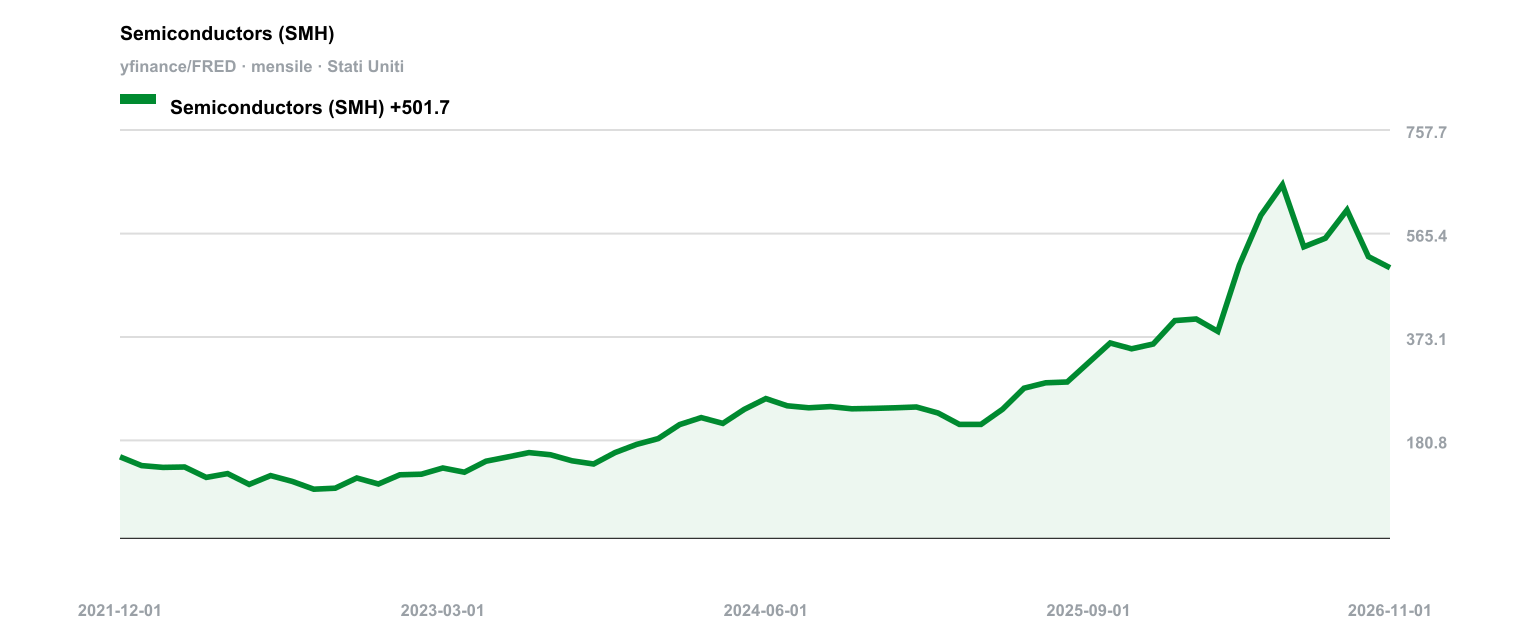
Then the resignation broke. Nvidia shares plunged more than 13% before paring losses. A drop that steep in a company priced for perfection does more than wipe out market value. It shatters the aura of invincibility required to push untested financial engineering through conservative credit desks. When the stock falls that hard, the phone rings at every firm holding an unsigned term sheet. Someone asks what happens if the chips depreciate faster than the debt amortizes. No one has a good answer. And without a good answer, the second-level thinking kicks in: the firms that moved fastest to sign those MOUs weren't evaluating risk, they were competing for access. Now access means nothing, and the risk is all that's left on the table.
NVIDIA's CEO change gives every firm involved a natural moment to pause and look at the terms again. That pause masks a brutal shift in leverage. The partners who queued up to fund Nvidia's vision are no longer supplicants. They hold unsigned papers and a sudden reason to rewrite them. Some will demand higher yields. Others will ask for covenants that restrict how Nvidia deploys capital. A few might simply walk away, deciding that underwriting hardware from a company in turmoil is a bet they never intended to make.
A central bank commands trust because its authority is institutional, backed by statutes and reserves that outlast any governor. Nvidia's version relied entirely on one man's ability to convince lenders that tomorrow's compute would pay for today's debt. Without him, the counterparties discover they were never dealing with a sovereign power. They were lending to a salesman who happened to be very good at his job.
References
CNBC, 11/12/2026
Jensen Huang's Nvidia exit casts shadow over Wall Street’s $500 billion AI financing bet
Key takeaways
- Nvidia signed preliminary MOUs with major firms to secure third-party capital for a $500 billion AI financing drive.
- Nvidia shares plunged more than 13% after Jensen Huang's resignation broke.
- NVIDIA's CEO change gives every firm involved a natural moment to pause and look at the terms again.