An Oil Shock Just Repriced the Fed
Something moved the market on Friday, and it wasn't a number. Kevin Warsh stood up at Jackson Hole, said almost nothing concrete about what the Fed will do next month, and by the time he sat down, traders had shifted the odds of a September rate hike from a decent underdog to better than even — thirty-five percent to sixty, on a speech that offered no forward guidance at all. That's not a market pricing in new information. That's a market pricing in a mood.
Warsh said the Fed has "work to do" if inflation doesn't cooperate — five words that read like a threat and mean almost nothing on their own. He also noted, correctly, that prices have sat above the Fed's target for five years running. Both statements are true. Neither is new. What's new is the emphasis, and traders don't usually trade emphasis — except when a Fed chair is three months into the job and everyone's still guessing at his reaction function. Then tone becomes data, because it's the only data anyone has.
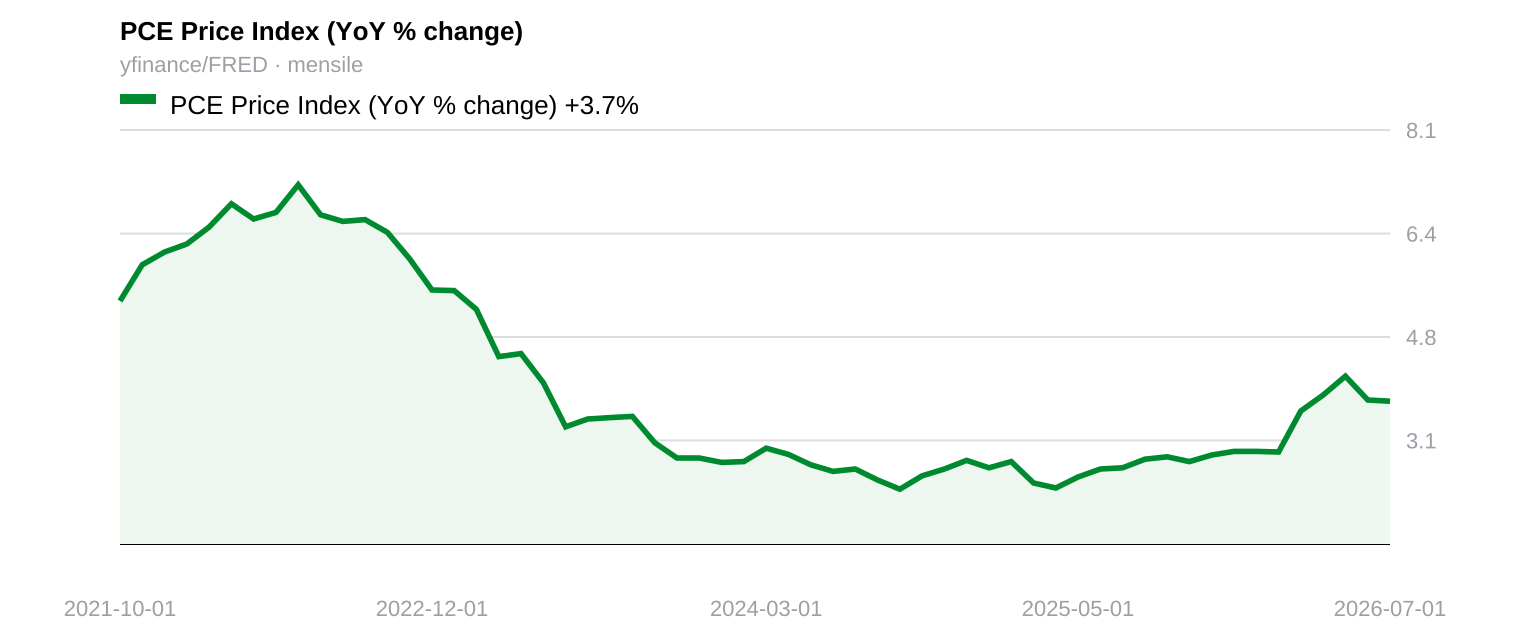
Here's the detail that got buried under the odds move: the same inflation reading Warsh was reacting to had eased in July, then spiked again — not because Americans were suddenly spending more, but because oil prices jumped on renewed Middle East tension. That's a supply shock, not a demand story, and Warsh's own account of the data doesn't hide it. He let the room read the number as evidence of stubborn inflation anyway. Maybe that was deliberate; a new Fed chair with no track record has every incentive to sound tougher than the data technically requires. Maybe it was just the honest read of someone still finding his footing. Either way, the market didn't wait to find out which.
This is the part that should bother anyone repricing a portfolio off a single speech: an oil-driven inflation blip is exactly the kind of signal that reverses the moment the geopolitical story cools off, and a sixty-percent hike probability built partly on that blip is a bet on the story staying hot, not on the economy actually running hotter. Nobody chanting that the Fed means business after Jackson Hole was pricing in Brent crude. They were pricing in Warsh's face while he said it.
None of this means Warsh is wrong to sound cautious, or that a hike in September would be a mistake — that part genuinely isn't knowable yet, and pretending otherwise is its own kind of overconfidence. What's knowable is cheaper: a market that moves twenty-five points of probability on a speech with no new numbers isn't reading the Fed, it's reading the room. And a room is the easiest thing in finance to misread twice.
References
ABC News, 08/28/2026
Fed's Warsh: 'We have work to do' on inflation
Key takeaways
- Markets repriced the odds of a September Fed hike from 35% to 60% off a Jackson Hole speech that offered no forward guidance -- a move built on tone, not new data.
- The inflation reading behind that repricing had eased in July, then spiked again on an oil-price shock tied to Middle East tension, not on stronger demand.
- A rate-hike probability built partly on an oil-driven inflation reading is a bet that the geopolitical story stays hot, not that the economy actually is -- and that kind of signal can reverse fast.